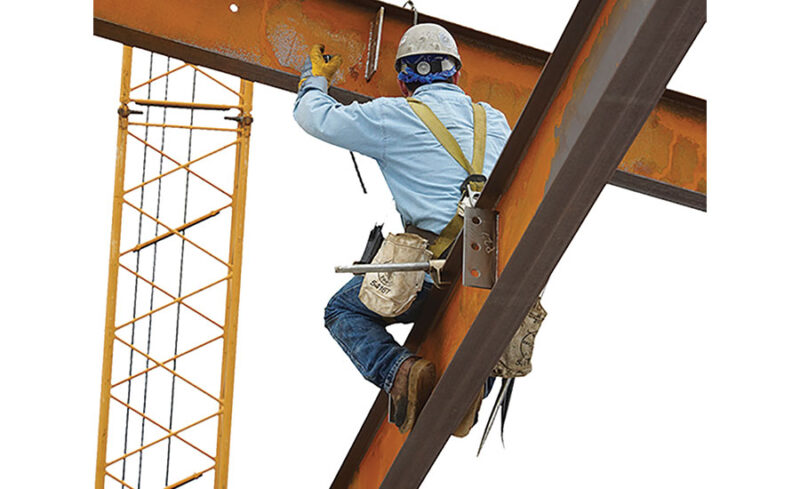
An excellent and very important initiative from IOSH: The “Don’t Fall Silent” campaign addresses a critical and persistent issue in workplace safety. The focus on prevention and cultural change is particularly vital, as falls from height remain a leading cause of workplace fatalities, as the HSE’s provisional figures sadly confirm.
Here’s a brief summary of the campaign’s key messages and why each point is so crucial:
- Planning: This is the foundation of all safe work. IOSH’s emphasis on only working at height when “absolutely necessary” aligns with the risk hierarchy of control. The best way to prevent a fall is to eliminate the need to work at height in the first place.
- Competence: Proper training is essential, but a key element of this is ensuring workers are not just trained but also competent and confident in applying that training. Supervision is critical to ensuring that knowledge is put into practice correctly.
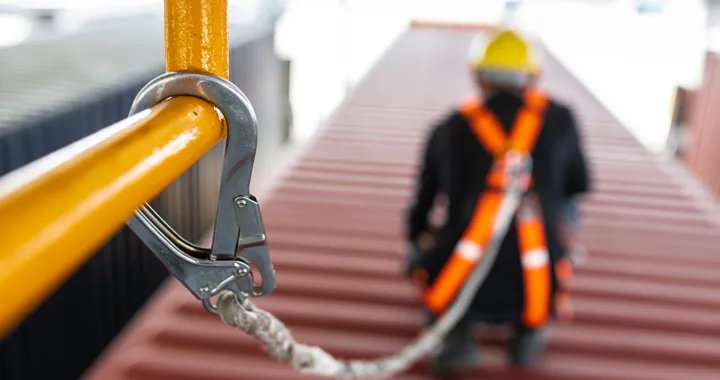
- Equipment: The campaign highlights the need for not just having the right equipment but also ensuring it’s properly maintained. A harness or a guardrail system that isn’t inspected and in good condition can be as dangerous as having no equipment at all.
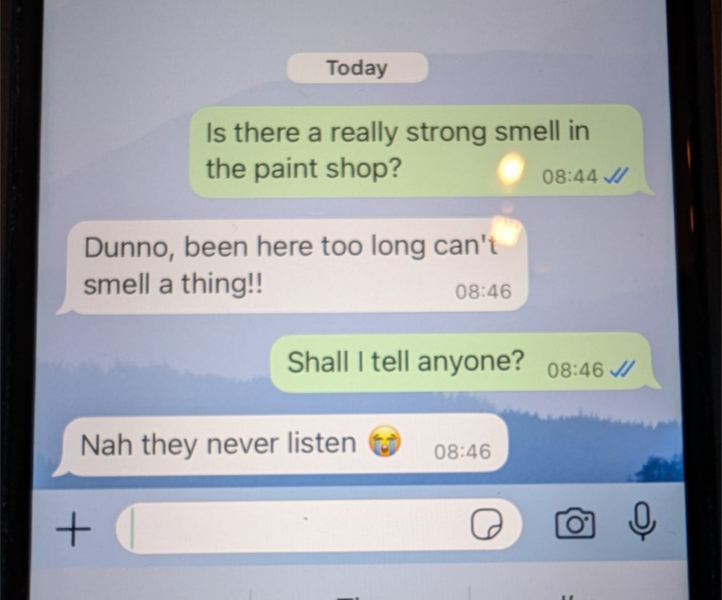
- Culture: This is arguably the most challenging and most important aspect of the campaign. A positive safety culture is one where safety is seen as a shared value, not just a set of rules. When workers feel “empowered to speak up,” it means the organization values their input and won’t penalize them for raising concerns, which is a major factor in preventing accidents.
- Collaboration: This point recognizes that safety is a collective effort. It’s not just the employer’s responsibility. It involves contractors, designers, suppliers, and regulatory bodies all working together to share knowledge and create a safer environment for everyone.
The campaign’s title, “Don’t Fall Silent,” is a powerful call to action that resonates with the need to actively and openly address these risks rather than accepting them as an unavoidable part of high-risk work. It’s a proactive approach that is well aligned with modern health and safety management.