Save on Manual Handling courses – money, time and misery

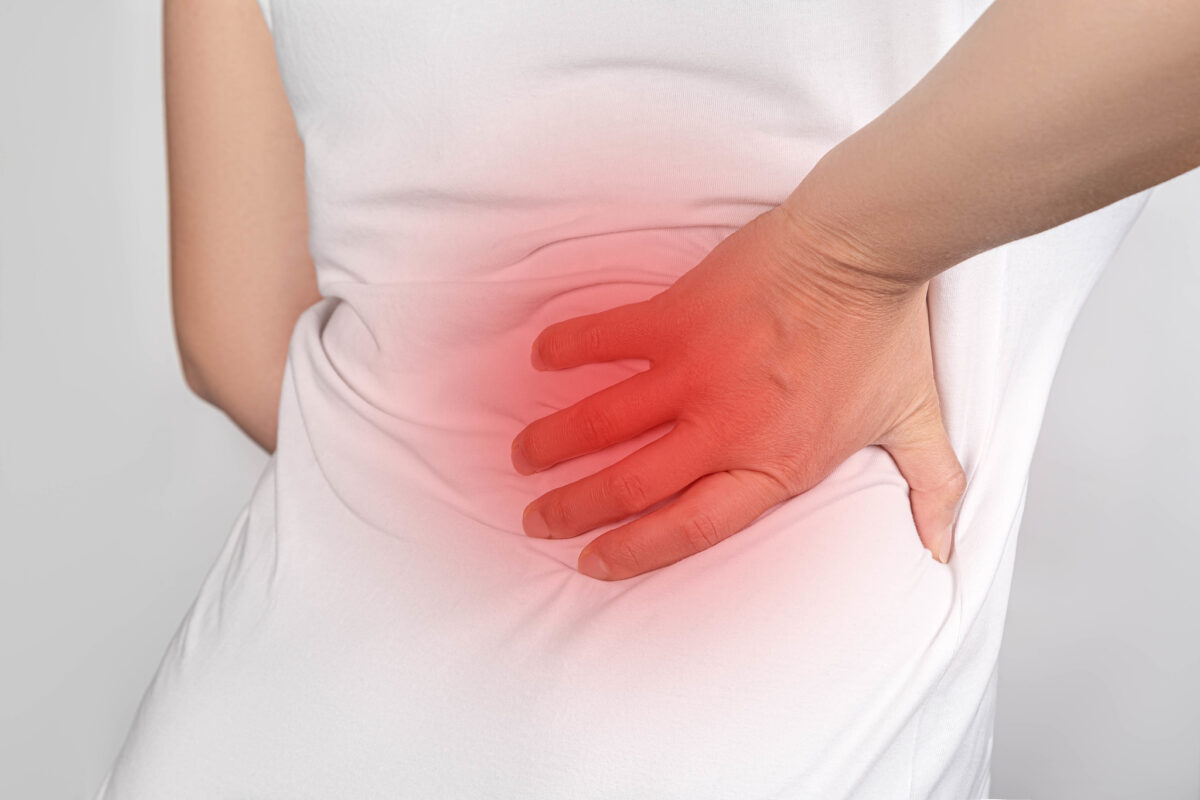
477,000 workers suffer from work-related musculoskeletal disorders

7.3 million working days lost due to work-related musculoskeletal disorders

Don’t become one of the statistics…

Get up to date now with the latest manual handling techniques for you and your work force and save on lost days and misery…

So Pro Safety offers:

Half day, face-to-face course

Up to eight staff

Delivered at your premises.

Courses start from as little as £65 per person depending on
the number of people attending a session.

Save even more – all courses booked before end of February receive 10% discount.

Contact us now and mention SAVEFEB

Beat the statistics, nurture your work force

Nearly one million workers in Britain suffer from stress, depression, and anxiety.

These are the latest statistics from the Health and Safety Executive (HSE). The figures from the workplace regulator show there were an estimated 914,000 cases of work-related stress, depression, or anxiety in 2021/22 and an estimated 17 million working days lost.

DO SOMETHING NOW

More than ever employers need to ensure that there are up to date arrangements in place to support their employees’ well-being.

JUST THE LATEST FAD!

It’s been a tough few years and mental health seems to be the latest “buzz” word. It’s tempting to ignore it and hope it goes away.

For small businesses making new arrangements around mental health may seem onerous and a little “new age”. However it is not only the “right” thing to do, morally and legally, it actually makes good business sense.

A recent survey from Deloitte suggests the total annual cost of poor mental health to employers has increased by 25% since 2019, costing UK employers up to £56 billion a year. Deloitte’s findings also suggest that UK bosses will receive an average return of £5 for every £1 spent on mental health.

GOOD NEWS

The good news is there are some great resources to help employers comply with their legal duties around mental health.

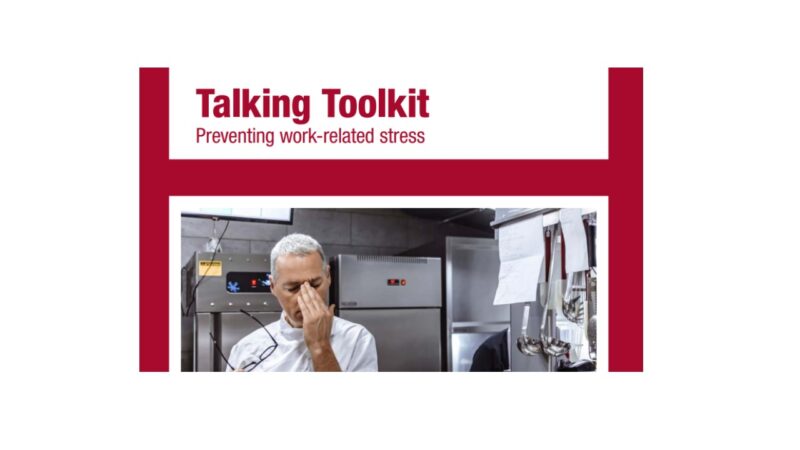
The HSE has created a Talking Toolkit to assist employers in speaking to their employees and taking the important first step towards preventing work-related stress and developing the actions and stress risk assessment employers need to comply with the law.

Talking Toolkit: Preventing work-related stress (hse.gov.uk)

By law employers need to assess the risk of work-related stress and to put steps in place to tackle those risks. This can also reduce sickness absence, boost morale and therefore help improve productivity.

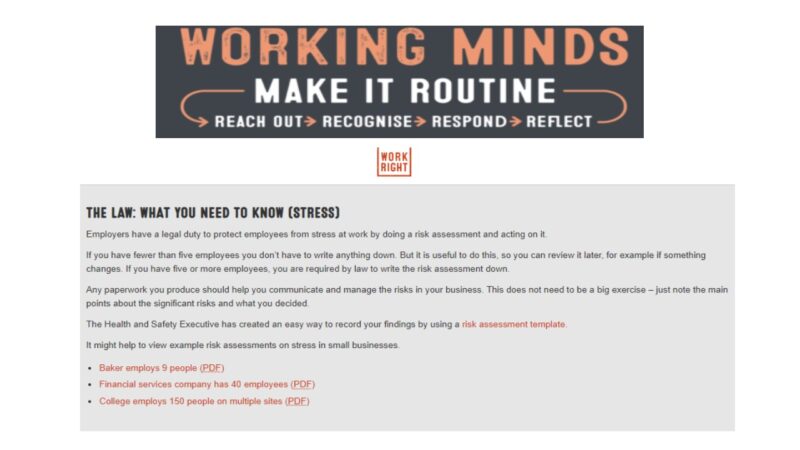
Work Right is a campaign by the Health & Safety Executive aimed at helping smaller businesses and workers. The Working Minds section offers a range of tools and support to help businesses and workers understand the best ways to prevent work related stress and encourage good mental health. Check out the helpful sample risk assessments. Click below:

Simple steps can make a huge difference to someone’s working life, and we spend a huge proportion of our lives at work…

“Baby it’s cold out there”…

Frosty Friday and it’s getting colder.

But what’s it like inside your work place?

Are you a “Chilly Billy (or Belinda!)” employer?

Temperatures have plunged…

Are you “hot” on providing warmth for your work force?

At this time of the year, it seems nobody can get it quite right.

The person in the corner is cold and distracted, whilst the colleague under the heating is puffing and panting.

As an employer do you have a duty to keep everyone at the right temperature?

Yes, you do!

The Workplace (Health, Safety and Welfare) Regulations require employers to provide a reasonable indoor temperature in the workplace.

This depends on the work activity and the environmental conditions.

The Construction (Design and Management) Regulations also require reasonable workplace temperatures for indoor areas of construction sites.

Under the Management of Health and Safety at Work Regulations, employers must:

  • assess the risks to workers
  • put controls in place to protect them

Temperature in the workplace is one of the risks you should assess whether the work is being done indoors or outdoors.

You should consult with your work force on the best ways to cope with high or low temperatures.

Is there a minimum temperature?

Yes

The Approved Code of Practice on the Workplace (Health, Safety and Welfare) Regulations suggests the minimum temperature for working indoors should normally be at least:

16°C or

13°C if much of the work involves rigorous physical effort

Just so you know…

There is no maximum temperature for workplaces.

However, all workers are entitled to an environment where risks to their health and safety are properly controlled. Heat is classed as a hazard and comes with legal obligations like any other hazard.

Assess your risks now…

Want to ensure you are making the right decisions on heating in the workplace?

Head to the Health and Safety Executive’s handy Workplace temperature checklist to check whether you need to assess the risks and get some advice on protecting your work force.

Don’t leave your team gasping for air…

The Health and Safety Executive (HSE) has just released new guidance on providing good ventilation in the workplace.

The Science

Studies have shown that sufficient fresh air is associated with:

  • improved health
  • better concentration
  • higher levels of satisfaction with an environment
  • lower rates of absence from work
  • better quality of sleep
  • reduced exposure to a wide range of air pollutants

The Law

That’s the science but it’s also the law.

Under regulation 6 of the Workplace Health, Safety and Welfare Regulations, employers must “ensure that every enclosed workplace is ventilated by a sufficient quantity of fresh or purified air”.

Ventilation is the process of bringing in fresh air from outside and removing indoor air, which may:

  • be stale
  • be hot and humid because of work machinery and processes
  • contain pollutants and other impurities

Improving the air

Now you know that making an improvement is good for everyone the first thing to do is

ASSESS

As part of your legal duty to provide sufficient fresh air, your workplace risk assessment should identify poorly ventilated work areas:

  • look for areas where there is no natural ventilation (open windows, doors, or vents) or mechanical ventilation (fans or ducts bringing air in from outside)
  • identify areas that feel stuffy or smell bad
  • consider using a CO2 monitor to identify poor ventilation

It may help to list areas in your workplace or use floor plans to record how areas are ventilated.

Remember to include changing rooms and areas used for breaks, such as canteens.

Talk with your team

Talking will help you assess the risk and put in effective measures to improve ventilation.

Questions to ask

  • How do we bring fresh air (ventilation) into our workplace?
    • Think about natural ventilation through windows, doors and vents you can open fully or partially
    • If we use mechanical ventilation, is it set correctly and do we maintain it?
  • How can we improve ventilation?
    • Think about areas that feel stuffy or smell bad – open windows, air vents and doors (not fire doors)
    • If we have recirculating systems, do we bring in some fresh air?
    • Are temperatures in the workplace comfortable?

Discussing the outcome of your risk assessment and the measures identified will also help them understand how they can play their part in improving ventilation at work.

It’s Chilly in here!

Don’t forget team members should not be exposed to uncomfortable draughts. For mechanical ventilation systems, it may be necessary to control the direction or speed of airflow.

Workstations should be moved or screened if necessary.

If your space is naturally ventilated, there are simple steps you can take to make sure your workplace has enough fresh air without opening windows wide and making it too cold:

  • partially opening windows and doors can still provide adequate ventilation
  • opening higher-level windows will create fewer draughts
  • using trickle vents rather than opening windows

Regularly air rooms that rely on natural ventilation, by opening windows and doors in between use.

For more information on using CO2 monitors and calculating ventilation levels go to https://www.hse.gov.uk/ventilation/assessing-the-risk-of-poor-ventilation.htm

New regs mean free PPE for casual workers

From 6 April 2022 amended PPE regulations require employers to provide more of their workers with free PPE, if used.

Previously the 1992 PPE Regulations placed a duty on every employer in Great Britain to ensure that suitable PPE is provided to ‘employees’ who may be exposed to a risk to their health or safety while at work.

The new regulations, the Personal Protective Equipment at Work (Amendment) Regulations 2022 (PPER 2022), extends that duty to workers who generally have a more casual employment relationship and work under a contract for service, officially known as “limb (b) workers”.

As with employees, if PPE is required, employers must ensure that workers have sufficient information, instruction and training on its use. Workers will have the duty to use the PPE in accordance with their training and instruction, and ensure it is returned to the storage area provided by their employer. Where an employer finds PPE to be necessary after a risk assessment they have a duty to provide it free of charge.

The changes do not apply to those who have a ‘self-employed’ status.

PPE is defined in the PPER 1992 and is unchanged in the amendment. It means ‘all equipment (including clothing affording protection against the weather) which is intended to be worn or held by a person at work and which protects the person against one or more risks to that person’s health or safety, and any addition or accessory designed to meet that objective’

PPER 2022 restate the 1992 Regulations which say that PPE should be regarded as the last resort to protect against risks to health and safety. Engineering controls and safe systems of work should be considered first.

For more information click here

Up and Running

COVID-19 Secure Workplace Risk Assessments

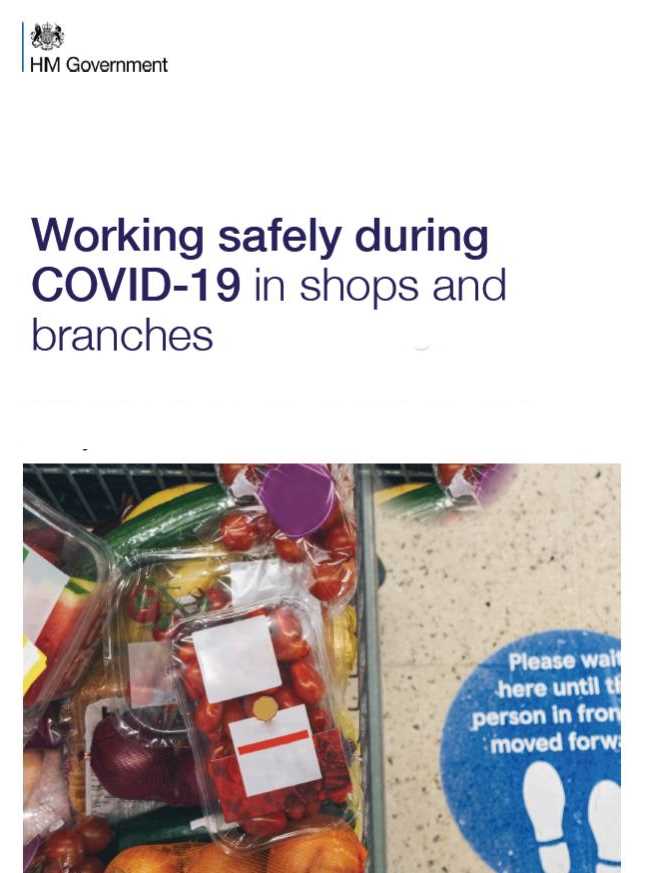
For one of our Bridal client hearts are a clever way to remind customers to social distance

We are delighted that some of our clients are now back in business. It’s been a long time coming with much hard work and thought being put in to ensure that businesses are COVID-19 Secure workplaces, ready and safe to receive customers.

For us it’s been a fascinating time, ploughing through government, PHE and HSE guidance to find the best route for our clients and to give maximum assistance in drafting the important COVID-19 Secure workplace risk assessments.  As always, we advise our clients to involve all staff members in the drafting and  implementing of work arrangements and some of our video calls have been pretty lively…

We also advise that the process must be ongoing – we hate a dusty H&S file sitting on a shelf. We suggest pithy, short guidelines for staff with regular follow ups.

We are also providing our clients with our new “check-in” service, a vital reminder for our clients to keep monitoring their arrangements to check they are working and being actioned. We don’t like to call it nagging more of a gentle nudge.  Our clients tell us this is a service they really value as often time is limited and health and safety matters can start to slip. In a world of pandemic this can’t afford to happen.

Only one month to go…

What’s the future for the Adventure Activities Licensing Authority (AALA)?

Be part of the consultation process…

The Health and Safety Executive (HSE) is reviewing the delivery and scope of the Adventure Activities Licensing Authority (AALA) on behalf of Department for Work and Pensions (DWP).

The scope of the review aims to ensure that the provision of licencing of adventure activities is delivered in a sensible, proportionate and cost-effective manner, and encourages the participation by young people in adventure activities.

The Adventure Activities Licensing Authority (AALA) was established through the Activity Centres (Young Persons’ Safety) Act 1995. It came into existence in April 1996 following the death of four young people during a kayaking activity in Lyme Bay in 1993.

Adventure Activities Licensing legislation is entirely separate from and additional to health and safety at work law, but the criteria by which adventure activities providers are assessed is the same as that required under health and safety at work law.

The aim of adventure activities licensing was to provide assurance to the public about the safety of those activity providers who have been granted a licence. In this way it was expected that young people would be able to enjoy exciting and stimulating activities outdoors without being exposed to avoidable risks of death or disabling injury.

A licence indicates that the provider has been inspected by the AALS on behalf of the AALA. The provider’s safety management systems for young people is reviewed and the provider has to demonstrate compliance with nationally accepted standards of good practice in the delivery of adventure activities to young people, with due regard to the benefits and risks of taking part in the activity.

The Adventure Activities Licensing scheme covers young people under the age of 18 and applies to paid provision of four categories of adventure activities: caving, climbing, some water-sports and some trekking.

Currently it does not cover activities provided by schools to their own pupils where the Health and Safety at Work etc. 1974 Act still applies. Nor does it apply to activities provided by voluntary associations to their own members, or young people accompanied by their parents or legal guardians.

So, why is the Adventure Activities Licensing Authority being reviewed?

In 2010, Lord Young’s report ‘Common Sense, Common Safety’ was published. The report looked at the operation of health and safety laws and the growth of the compensation culture in Great Britain, recommended that the AALA be abolished.

The report stated that the licensing regime was a cost and burden on business that added little to the health and safety of young people undertaking adventure activities. It added that the HSE believed that effective enforcement of the requirements of the Health and Safety at Work etc Act 1974 and the Management of Health and Safety at Work Regulations 1999 was sufficient. It went on to point out that the licensing regime was narrowly focused on a limited number of outdoor activities and did not reflect the wide range of adventure activities now available.

Lord Young believed that the running costs of the scheme; circa £750,000 and the cost of a licence of £715 seemed to be a disincentive to new entrants to the adventure activity market, especially to small companies.

The report recommended that with abolition of the scheme, a code of practice be introduced, overseen and monitored by HSE. He also stated that removal of licensing would allow businesses to make financial savings and focus on management of the whole range of available activities. In addition, there would be savings associated with the dismantling of the licensing regime.

A consultation was carried out, but, Lord Young’s recommendation was not implemented as Ministers decided at the time that there was still a place for a licensing scheme. It was felt that the scheme should be taken out of HSE control, but in autumn 2016 after a period of uncertainty it was agreed by Government that AALA should remain with HSE, due to the complex nature of the legislation. It was agreed that the service should be reviewed to ensure it was fit for purpose going forward.

What’s the future?

Briefly there are three options which are being consulted upon:

Option 1 – Retain the AALR regulations and current licensing scheme underpinned by the Health and Safety at Work etc. Act 1974, and increase fees
Option 2 Retain the AALR regulations and current licensing scheme underpinned by the Health and Safety at Work etc Act 1974, and increase fees and extend the activities in-scope
Option 3 Removal of the AALR regulations and move to an industry-led; not-for-profit accreditation scheme underpinned by the Health and Safety at Work etc. Act 1974, to provide assurance to users of outdoor activities

If you want to have your say you only have until 9 March 2018

Go to

CD286 – Review of the Adventure Activities Licensing Authority (AALA)

Download the full discussion document and respond! Act now to make your opinion count…

UK safety fines rose 80%

… according to Health and Safety Executive’s (HSE) injury and ill health statistics

A scary headline to make any boss take a long, hard look at Health and Safety arrangements in their company or organisation…

In 2016-17 – the first full year that the new sentencing guidelines for safety and health offences were in place – fines reached £69.9m compared with £38.8m for the same period a year earlier.

But it’s not all bad news. Whilst the fines handed to dutyholders found guilty of safety and health offences increased by 80% in the 12 months to the end of March 2017 there was a fall in the number of cases prosecuted.

Under the new guidelines, the level of fine corresponds to the offending organisation’s turnover. If convicted of a safety and health offence, large organisations that turn over more than £50m and fall into the “very high” culpability category could be fined up to £10m.

The HSE and local authorities also issued 11,913 enforcement notices in 2016-17, a 5% increase compared with the previous period when 11,380 were served.

It’s really good to see the number of cases prosecuted falling but we continue to urge everyone to make sure they avoid complacency in the workplace.

We are always happy to arrange an “anti-complacency” visit to your business or organisation, working with you to ensure all of your Health and Safety arrangements are in place and, more importantly, are working…

Helping to keep national computer gaming festivals safe

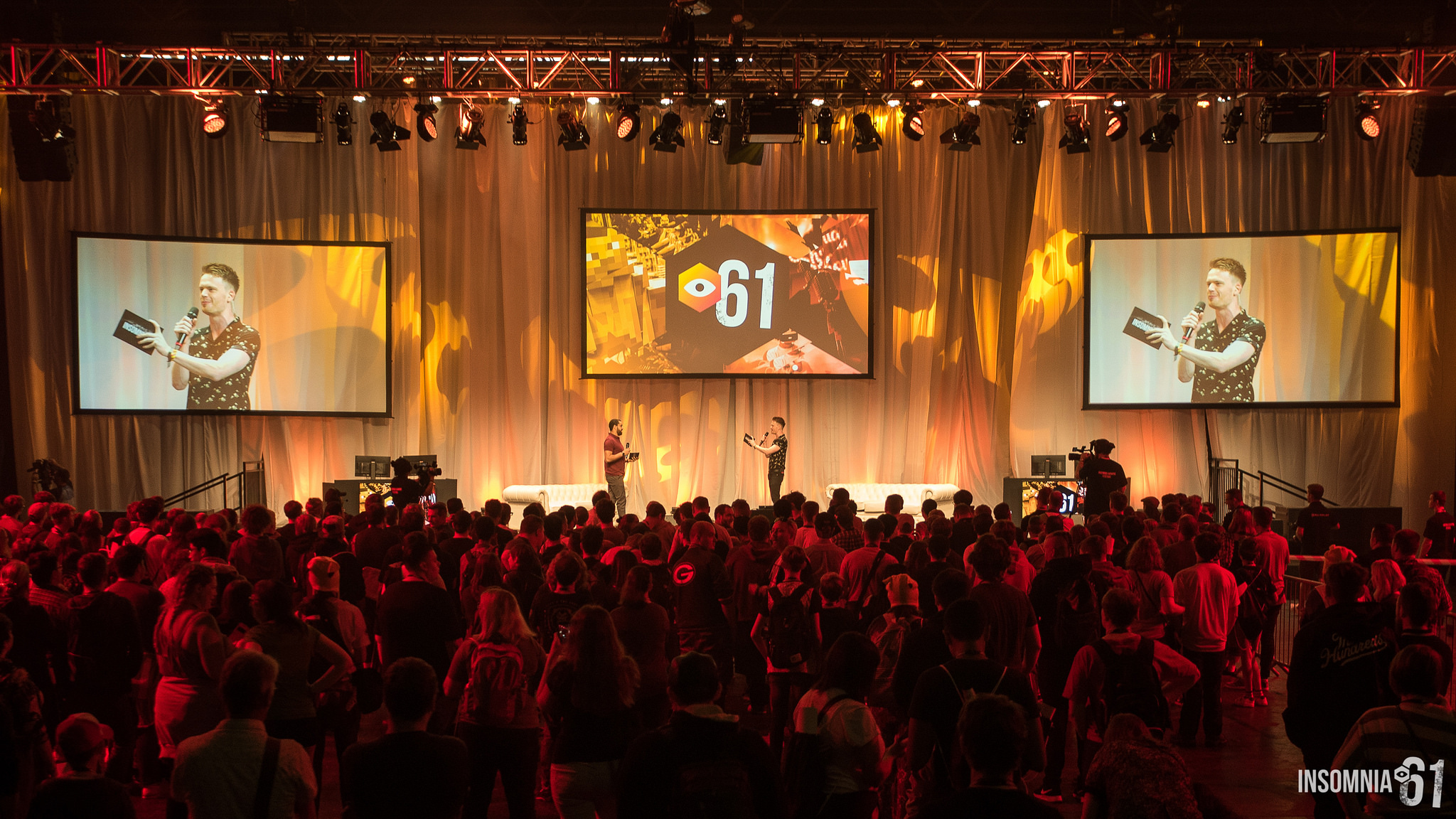
We are delighted to have been appointed Health and Safety contractor to some of the UK’s biggest computer gaming festivals.

SoPro Safety Ltd will advise Multiplay UK Ltd, a subsidiary of Game, on event health and safety for Insomnia, Brick Live and games publisher conventions such as Minecon. Event venues include Birmingham’s NEC, London’s Excel and Belfast’s Titanic Exhibition Centre. The increasingly popular shows attract up to 50,000 consumers, many of them families and young people.

SoPro Safety is headed by Jon Sullivan, an experienced Health and Safety professional whose previous event work has included venues at the 2012 Olympic Games and the Commonwealth Games in Glasgow, International art shows in London and World Skills, International.

As well as event work SoPro Safety offers a full compliance, advice and outsource service for Health and Safety as well as a number of unique, dynamic training courses.

Commenting on the appointment Multiplay UK Ltd’s Events Director, Andrew Smith said “We are delighted to have Jon Sullivan, and SoPro Safety, on board. Their experience of events coupled with an extensive knowledge of Health and Safety is invaluable to Multiplay. Jon Sullivan manages the implementation of our Health and Safety in a professional and pragmatic manner, enabling our team to work safely and offer a low risk environment to our visitors”.