Records form part of your arrangements

Communicate wisely – Health and Safety investigations dig deep

Keep your communications professional and make sure you know where they are stored. Useful tips if you are ever on the sharp end of an investigation by the Health and Safety Executive (HSE). 

Section 20 of the Health and Safety at Work act 1974 gives the HSE the power to “require any person to produce any books or documents… which are necessary for you to see for the purposes of your investigation”. 

This seems entirely reasonable if there has been an accident or incident worthy of an investigation, and indeed should be welcomed, not least for valuable lessons learnt. But, as an employer or employee, have you ever considered exactly what documents the HSE might be requiring from you, and have you thought how and where they should be stored so that you can comply easily with an inspector’s request? 

Most employers are aware where they store their Health and Safety policy, risk assessments and minutes of meetings such as safety forums or committees. But do you know where your WhatsApp safety chat is stored and uploaded? Could you put your hands on that memo on the intranet that updated the latest safety data sheet? 
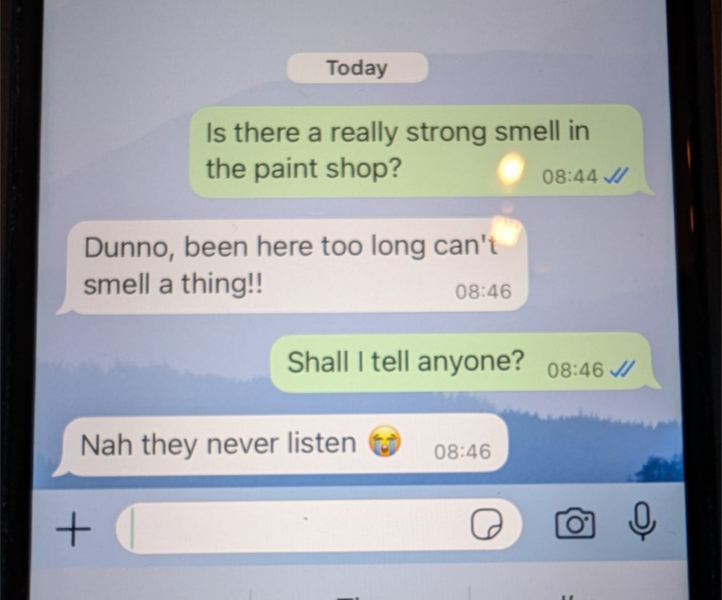
More importantly, do you have good knowledge of any communication between your employees on Health and Safety issues which may be informally recorded in texts or emails without any consideration being given to them being read in “hindsight”.

Our basic advice is:  

  • Keep essential Health and Safety documents in one, easily accessed place, whether physically or online 
  • Be aware that your documents and communications may be subject of inspection and keep them current. 
  • Make sure you are actually doing what your documents say you do – if not, change your actions or the documents…  
  • Ensure your workforce are aware that their communications could one day be looked at by an external body and remind them to think before communicating and keep it strictly professional. Don’t forget that can include texts, chats, emails and social media posts. 

 For help and advice on any of your Health and Safety issues contact us. 

Fear of non-compliance on inspection

A survey of 2,000 individuals who work in varied roles across a range of UK sectors has found 68% of respondents feel their business/organisation would likely not comply with on-the-spot Health and Safety Executive (HSE) inspections. 

This is because they feel the business/organisation they work for doesn’t have the data to prove that its fixed and movable assets are managed and maintained to the required regulatory standards.

The article headline extract above makes a strong case to review your maintenance arrangements and record keeping.  The article is rather skewed towards digital asset management records, but the question stands – is your firm prepared to be inspected and would it be compliant?

If you are in doubt about your legal duties and responsibilities (such as suitability, maintenance, inspection, information and training…) then why not drop us a line.  Happy to provide pragmatic no-nonsense advice on an ad-hoc or retained basis.

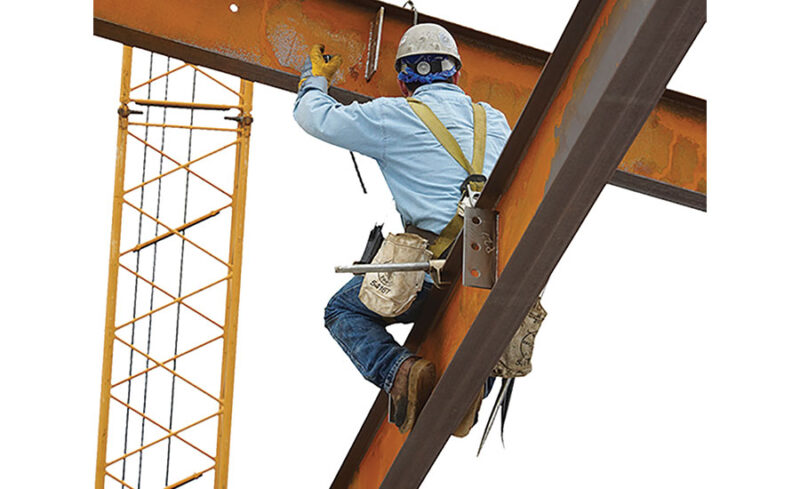
Heading for a Fall

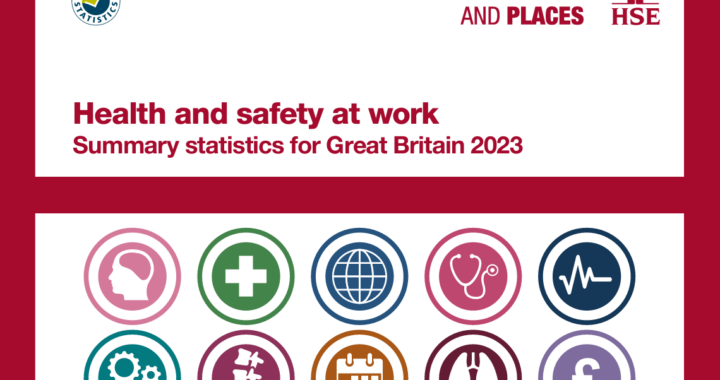
The HSE have published the annual statistics for 2022-23 and there are some stark reminders that people are still suffering injuries or worse in the workplace.

For those of us that work hard to protect people at work one fact really stands out:

“Just three different accident kinds accounted for 60% of the fatal injuries to workers over the last five years. Falls from a height, being struck by moving vehicle and being struck by a moving, including flying/falling, object continue as the three main causes of fatal injury…”

It’s a sobering thought and hopefully one that will get us all looking at the hazards in our workplaces to ensure they are eliminated or properly mitigated.

So, what can you do NOW?

Let everyone in your workplace knows that accidents can and do happen – use the HSE facts to re-enforce your message.

Involve your teams in recognising the hazards  –  use the HSE facts as a prompt for an immediate, practical assessment.

Reconsider if you can eliminate any of the hazards in your workplace.

If you can’t, check your risk assessments are up to date and the safety measures in them are working in practice.

Creating a safe working environment doesn’t just prevent the shock and resulting trauma of an accident for the person concerned it also protects everyone else in your workplace.

It also contributes to a safer work force across the country, which ultimately saves time and money:

“35.2 million working days lost due to work-related illness and workplace injury.  £20.7 billion estimated cost of injuries and ill health from current working conditions.”

Beat the statistics, nurture your work force

Nearly one million workers in Britain suffer from stress, depression, and anxiety.

These are the latest statistics from the Health and Safety Executive (HSE). The figures from the workplace regulator show there were an estimated 914,000 cases of work-related stress, depression, or anxiety in 2021/22 and an estimated 17 million working days lost.

DO SOMETHING NOW

More than ever employers need to ensure that there are up to date arrangements in place to support their employees’ well-being.

JUST THE LATEST FAD!

It’s been a tough few years and mental health seems to be the latest “buzz” word. It’s tempting to ignore it and hope it goes away.

For small businesses making new arrangements around mental health may seem onerous and a little “new age”. However it is not only the “right” thing to do, morally and legally, it actually makes good business sense.

A recent survey from Deloitte suggests the total annual cost of poor mental health to employers has increased by 25% since 2019, costing UK employers up to £56 billion a year. Deloitte’s findings also suggest that UK bosses will receive an average return of £5 for every £1 spent on mental health.

GOOD NEWS

The good news is there are some great resources to help employers comply with their legal duties around mental health.

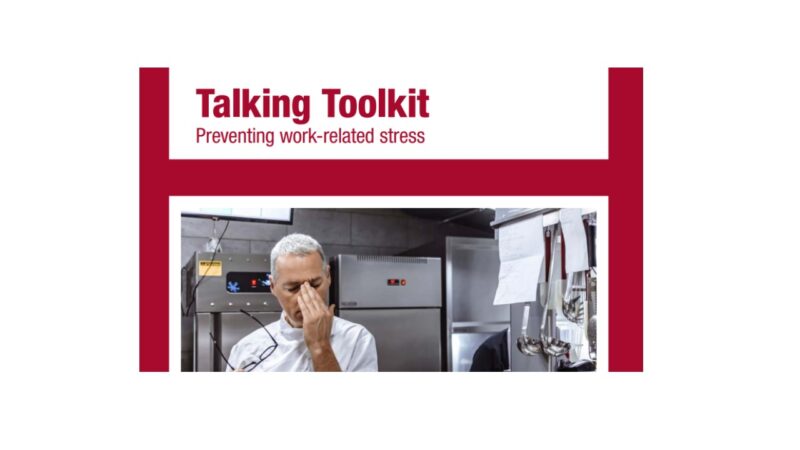
The HSE has created a Talking Toolkit to assist employers in speaking to their employees and taking the important first step towards preventing work-related stress and developing the actions and stress risk assessment employers need to comply with the law.

Talking Toolkit: Preventing work-related stress (hse.gov.uk)

By law employers need to assess the risk of work-related stress and to put steps in place to tackle those risks. This can also reduce sickness absence, boost morale and therefore help improve productivity.

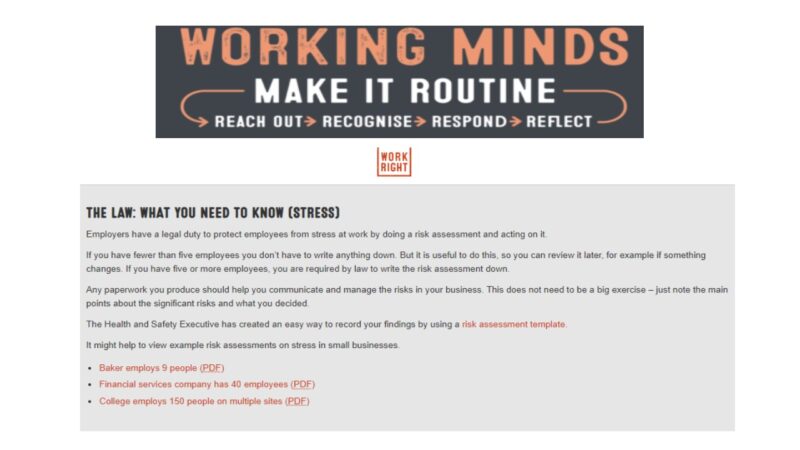
Work Right is a campaign by the Health & Safety Executive aimed at helping smaller businesses and workers. The Working Minds section offers a range of tools and support to help businesses and workers understand the best ways to prevent work related stress and encourage good mental health. Check out the helpful sample risk assessments. Click below:

Simple steps can make a huge difference to someone’s working life, and we spend a huge proportion of our lives at work…

“Baby it’s cold out there”…

Frosty Friday and it’s getting colder.

But what’s it like inside your work place?

Are you a “Chilly Billy (or Belinda!)” employer?

Temperatures have plunged…

Are you “hot” on providing warmth for your work force?

At this time of the year, it seems nobody can get it quite right.

The person in the corner is cold and distracted, whilst the colleague under the heating is puffing and panting.

As an employer do you have a duty to keep everyone at the right temperature?

Yes, you do!

The Workplace (Health, Safety and Welfare) Regulations require employers to provide a reasonable indoor temperature in the workplace.

This depends on the work activity and the environmental conditions.

The Construction (Design and Management) Regulations also require reasonable workplace temperatures for indoor areas of construction sites.

Under the Management of Health and Safety at Work Regulations, employers must:

  • assess the risks to workers
  • put controls in place to protect them

Temperature in the workplace is one of the risks you should assess whether the work is being done indoors or outdoors.

You should consult with your work force on the best ways to cope with high or low temperatures.

Is there a minimum temperature?

Yes

The Approved Code of Practice on the Workplace (Health, Safety and Welfare) Regulations suggests the minimum temperature for working indoors should normally be at least:

16°C or

13°C if much of the work involves rigorous physical effort

Just so you know…

There is no maximum temperature for workplaces.

However, all workers are entitled to an environment where risks to their health and safety are properly controlled. Heat is classed as a hazard and comes with legal obligations like any other hazard.

Assess your risks now…

Want to ensure you are making the right decisions on heating in the workplace?

Head to the Health and Safety Executive’s handy Workplace temperature checklist to check whether you need to assess the risks and get some advice on protecting your work force.

Work equipment markings

Following BREXIT … the requirements for placing work equipment and machinery on the UK and EU markets, including arrangements for conformity assessment, marking and labelling have changed.

Only safe and compliant products should be placed on the market. Changes made to the UK’s legal product safety framework will allow it to remain operable.

CE marked goods on the GB market

CE marked workplace products will be accepted in GB until 31st December 2022. This includes workplace goods which have been assessed by an EU-recognised notified body.

GOV.UK – Placing manufactured goods on the market in Great Britain.

Placing products for use at work on the GB market: a product safety guide (PDF) .

The new UK mark

The UK Conformity Assessed (UKCA) mark is the new UK product mark for workplace products and other goods. From 1 January 2021 UKCA marking began to replace CE marking for goods being placed on the GB market.

From 1 January 2023 you must use the UKCA mark on all workplace goods products.

Coronavirus has not ‘gone away’ …

Government advice was changed on 1 April 2022:

As we learn to live safely with coronavirus (COVID-19), there are actions we can all take to help reduce the risk of catching COVID-19 and passing it on to others. These actions will also help to reduce the spread of other respiratory infections, such as flu, which can spread easily and may cause serious illness in some people.

COVID-19, along with many other respiratory infections such as influenza (flu), can spread easily and cause serious illness in some people. You may be infected with a respiratory virus such as COVID-19 and not have any symptoms but still pass infection onto others.

The risk of catching or passing on COVID-19 is greatest when someone who is infected is physically close to, or sharing an enclosed and/or poorly ventilated space with, other people. When someone with a respiratory viral infection such as COVID-19 breathes, speaks, coughs or sneezes, they release small particles that contain the virus which causes the infection. These particles can be breathed in or can come into contact with the eyes, nose, or mouth. The particles can also land on surfaces and be passed from person to person via touch.

You will not always know whether someone you come into contact with is at higher risk of becoming seriously ill from respiratory infections, including COVID-19. They could be strangers (for example people you sit next to on public transport) or people you may have regular contact with (for example friends and work colleagues).

There are simple things you can do in your daily life that will help reduce the spread of COVID-19 and other respiratory infections and protect those at highest risk. Things you can choose to do are:

  1. Get vaccinated.
  2. Let fresh air in if meeting others indoors.
  3. Practise good hygiene:
    • wash your hands
    • cover your coughs and sneezes
    • clean your surroundings frequently
  4. Wear a face covering or a face mask.

Face coverings and face masks can help reduce the chance of you spreading infection to others, especially in crowded and enclosed spaces, and may protect you from becoming infected by some respiratory viruses.

If you have symptoms of a respiratory infection, such as COVID-19, and you have a high temperature or do not feel well enough to go to work or carry out normal activities, you are advised to try to stay at home and avoid contact with other people.

Accidents on the rise and they cost

… in pain and misery for those who are injured and to businesses and the economy. 

There was a decrease in the number of workers killed at work – down to 111 for 2019/2020 – but worryingly this figure has climbed again to 142 for the 12 months ending in March of this year. It is quite possible that due to the focus on Covid-19 arrangements and some time away on furlough that day-to-day safety practices may have lapsed.

On a brighter note, the UK still has the lowest rates of fatal work -related injuries in Europe. 

In monetary terms the annual cost of all this work-related injury and ill heath was £16,200,000,000 about the cost of five new aircraft carriers. 

Given these figures it must make sense for every business to make a modest financial investment into the health and safety of their employees.

Funding sensible and proportionate measures to keep workers and others affected by your work safe will produce dividends in the form of reduced incident rates, healthier workers and compliance with the law. 

Don’t be complacent when it comes to your workplace health and safety.  Contact us if you would like straight-talking pragmatic safety advice.

Take a look at the summary of the 2020 statistics from the HSE.  See their PDF here. We will update with 2021 figures when they are available.

Downgrading restrictions

Good news

“Following advice from the Joint Biosecurity Centre and in the light of the most recent data, the UK Chief Medical Officers and NHS England National Medical Director agree that the UK alert level should move from level 4 to level 3.”

UK Chief Medical Officers and NHS England

This is terrific news and if we wish to continue enjoying the increased freedoms it allows, requires us to keep complying with the guidance and the remaining ‘light touch’ restrictions that are still in place.

Health and safety advice in the workplace is very similar in that there is a requirement on employers to comply with the current legislation. If you do this you can carry on without interference from the authorities and maintain a safe workplace, undertaking activities that do not put staff or others at undue risk. When workers, contractors or management try to cut corners (to beat a clock, or a budget, or a clause, or A DUTY) they put us all at risk of severe consequences.

Step four in the road map is more than a month away so keep up the compliance and do not get complacent – rather like attitudes to health and safety matters in the workplace.

Update 15 June:

The delay to the Roadmap’s Step 4 easing is now postponed to 19 July. So current restrictions are to stay in place for a further four weeks while the Delta variant is further understood and the vaccine roll out is further ramped up.

R-value, new restrictions and complete compliance

The number of coronavirus cases in the UK is increasing. 

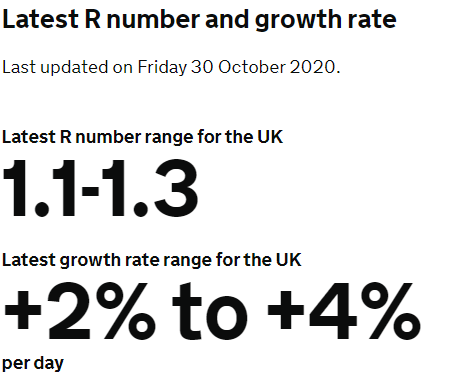
It is too early to say that the rise of cases is because ‘we’ have become too complacent, more rebellious or just de-sensitised to the pandemic but the fact is the R value has risen and it affects us all.

regional spread of R number

There are arguments raging across the political sectors but one thing that virtually every scientist agrees on is the continued need for social distancing, good hand hygiene and the wearing of masks where social distancing can’t be achieved.

Businesses also recognise that national restrictions and closures just can’t go on. Perhaps therefore the time has come to fully recognise that every business has to play its part and give “complete” compliance a real chance. Not just acting “almost” within the restrictions but  doing everything we can to stop any spread of the infection within our workplaces and communities.

As always we are here to support the business community and promote a swift reduction in the case numbers and an equally swift end to the restrictions.  

Stay safe – if you need guidance on your current Covid-19 Secure arrangements please contact us.