Don’t fall silent intiative

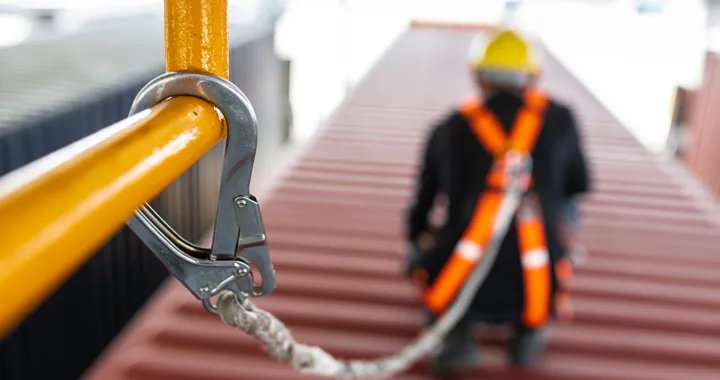
An excellent and very important initiative from IOSH: The “Don’t Fall Silent” campaign addresses a critical and persistent issue in workplace safety. The focus on prevention and cultural change is particularly vital, as falls from height remain a leading cause of workplace fatalities, as the HSE’s provisional figures sadly confirm.

Here’s a brief summary of the campaign’s key messages and why each point is so crucial:

  • Planning: This is the foundation of all safe work. IOSH’s emphasis on only working at height when “absolutely necessary” aligns with the risk hierarchy of control. The best way to prevent a fall is to eliminate the need to work at height in the first place.
  • Competence: Proper training is essential, but a key element of this is ensuring workers are not just trained but also competent and confident in applying that training. Supervision is critical to ensuring that knowledge is put into practice correctly.
  • Equipment: The campaign highlights the need for not just having the right equipment but also ensuring it’s properly maintained. A harness or a guardrail system that isn’t inspected and in good condition can be as dangerous as having no equipment at all.
  • Culture: This is arguably the most challenging and most important aspect of the campaign. A positive safety culture is one where safety is seen as a shared value, not just a set of rules. When workers feel “empowered to speak up,” it means the organization values their input and won’t penalize them for raising concerns, which is a major factor in preventing accidents.
  • Collaboration: This point recognizes that safety is a collective effort. It’s not just the employer’s responsibility. It involves contractors, designers, suppliers, and regulatory bodies all working together to share knowledge and create a safer environment for everyone.

The campaign’s title, “Don’t Fall Silent,” is a powerful call to action that resonates with the need to actively and openly address these risks rather than accepting them as an unavoidable part of high-risk work. It’s a proactive approach that is well aligned with modern health and safety management.

Records form part of your arrangements

Communicate wisely – Health and Safety investigations dig deep

Keep your communications professional and make sure you know where they are stored. Useful tips if you are ever on the sharp end of an investigation by the Health and Safety Executive (HSE). 

Section 20 of the Health and Safety at Work act 1974 gives the HSE the power to “require any person to produce any books or documents… which are necessary for you to see for the purposes of your investigation”. 

This seems entirely reasonable if there has been an accident or incident worthy of an investigation, and indeed should be welcomed, not least for valuable lessons learnt. But, as an employer or employee, have you ever considered exactly what documents the HSE might be requiring from you, and have you thought how and where they should be stored so that you can comply easily with an inspector’s request? 

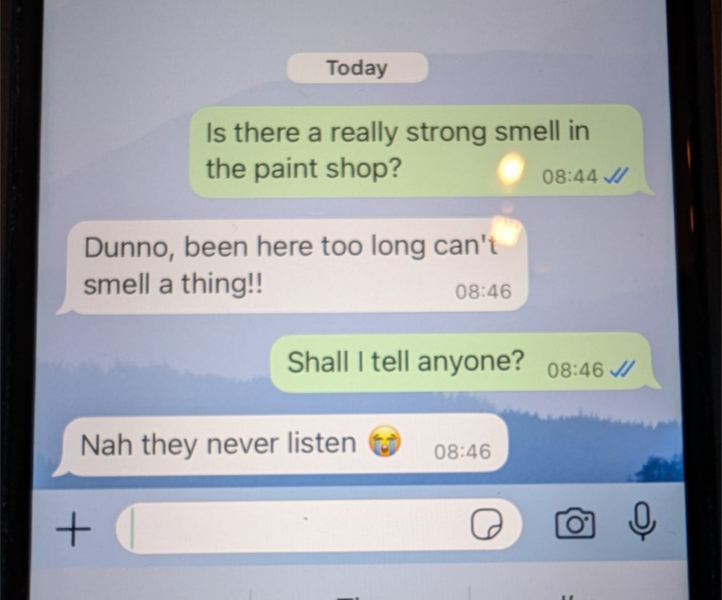
Most employers are aware where they store their Health and Safety policy, risk assessments and minutes of meetings such as safety forums or committees. But do you know where your WhatsApp safety chat is stored and uploaded? Could you put your hands on that memo on the intranet that updated the latest safety data sheet? 

More importantly, do you have good knowledge of any communication between your employees on Health and Safety issues which may be informally recorded in texts or emails without any consideration being given to them being read in “hindsight”.

Our basic advice is:  

  • Keep essential Health and Safety documents in one, easily accessed place, whether physically or online 
  • Be aware that your documents and communications may be subject of inspection and keep them current. 
  • Make sure you are actually doing what your documents say you do – if not, change your actions or the documents…  
  • Ensure your workforce are aware that their communications could one day be looked at by an external body and remind them to think before communicating and keep it strictly professional. Don’t forget that can include texts, chats, emails and social media posts. 

 For help and advice on any of your Health and Safety issues contact us. 

Summer safety

Some key pointers for worker safety during hot spells

Hydration:

Encourage your staff to drink plenty of water throughout the day, especially before, during, and after work.  However sugary or caffeinated drinks should be used sparingly as they may partially dehydrate.

Rest and Shade:

Take or schedule more frequent breaks in cooler or shaded areas – you might consider providing a welfare spot with a gazebo  for shade.  Consider whether workers are able to rotate between tasks where there is greater exposure to heat/sun if frequent breaks are more difficult to incorporate.

Appropriate Clothing:

Provide loose-fitting, light-colored, and breathable clothing. Avoid excessive layers of protective equipment when possible without lessening the protection that may be required for the tasks.

Heat Illness Awareness:

Train workers to recognize the signs and symptoms of heat-related illnesses, such as heat exhaustion and heatstroke.  Make sure that your staff and in particular first aiders know the emergency procedures.

Workplace Environment:

Ensure there is adequate ventilation in the workplace and use fans or air conditioning when possible.  Monitor your workplace temperatures and adjust the work schedules as needed.

This Napo film below has a light-hearted summary …

If you have unique challenges that you need advice on just contact us to arrange a chat.  By the way the Napo films are the property of Via Storia.

“Baby it’s cold out there”…

Frosty Friday and it’s getting colder.

But what’s it like inside your work place?

Are you a “Chilly Billy (or Belinda!)” employer?

Temperatures have plunged…

Are you “hot” on providing warmth for your work force?

At this time of the year, it seems nobody can get it quite right.

The person in the corner is cold and distracted, whilst the colleague under the heating is puffing and panting.

As an employer do you have a duty to keep everyone at the right temperature?

Yes, you do!

The Workplace (Health, Safety and Welfare) Regulations require employers to provide a reasonable indoor temperature in the workplace.

This depends on the work activity and the environmental conditions.

The Construction (Design and Management) Regulations also require reasonable workplace temperatures for indoor areas of construction sites.

Under the Management of Health and Safety at Work Regulations, employers must:

  • assess the risks to workers
  • put controls in place to protect them

Temperature in the workplace is one of the risks you should assess whether the work is being done indoors or outdoors.

You should consult with your work force on the best ways to cope with high or low temperatures.

Is there a minimum temperature?

Yes

The Approved Code of Practice on the Workplace (Health, Safety and Welfare) Regulations suggests the minimum temperature for working indoors should normally be at least:

16°C or

13°C if much of the work involves rigorous physical effort

Just so you know…

There is no maximum temperature for workplaces.

However, all workers are entitled to an environment where risks to their health and safety are properly controlled. Heat is classed as a hazard and comes with legal obligations like any other hazard.

Assess your risks now…

Want to ensure you are making the right decisions on heating in the workplace?

Head to the Health and Safety Executive’s handy Workplace temperature checklist to check whether you need to assess the risks and get some advice on protecting your work force.