
Records form part of your arrangements

Communicate wisely – Health and Safety investigations dig deep

Keep your communications professional and make sure you know where they are stored. Useful tips if you are ever on the sharp end of an investigation by the Health and Safety Executive (HSE). 

Section 20 of the Health and Safety at Work act 1974 gives the HSE the power to “require any person to produce any books or documents… which are necessary for you to see for the purposes of your investigation”. 

This seems entirely reasonable if there has been an accident or incident worthy of an investigation, and indeed should be welcomed, not least for valuable lessons learnt. But, as an employer or employee, have you ever considered exactly what documents the HSE might be requiring from you, and have you thought how and where they should be stored so that you can comply easily with an inspector’s request? 

Most employers are aware where they store their Health and Safety policy, risk assessments and minutes of meetings such as safety forums or committees. But do you know where your WhatsApp safety chat is stored and uploaded? Could you put your hands on that memo on the intranet that updated the latest safety data sheet? 
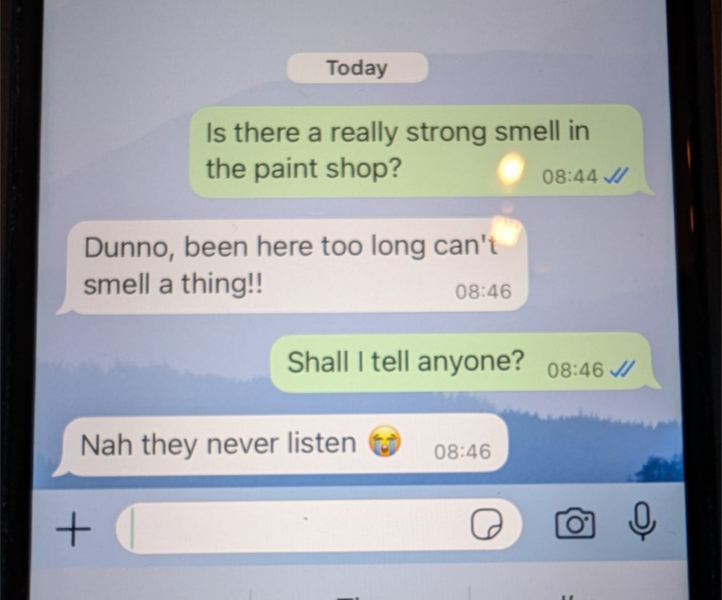
More importantly, do you have good knowledge of any communication between your employees on Health and Safety issues which may be informally recorded in texts or emails without any consideration being given to them being read in “hindsight”.

Our basic advice is:  

  • Keep essential Health and Safety documents in one, easily accessed place, whether physically or online 
  • Be aware that your documents and communications may be subject of inspection and keep them current. 
  • Make sure you are actually doing what your documents say you do – if not, change your actions or the documents…  
  • Ensure your workforce are aware that their communications could one day be looked at by an external body and remind them to think before communicating and keep it strictly professional. Don’t forget that can include texts, chats, emails and social media posts. 

 For help and advice on any of your Health and Safety issues contact us. 
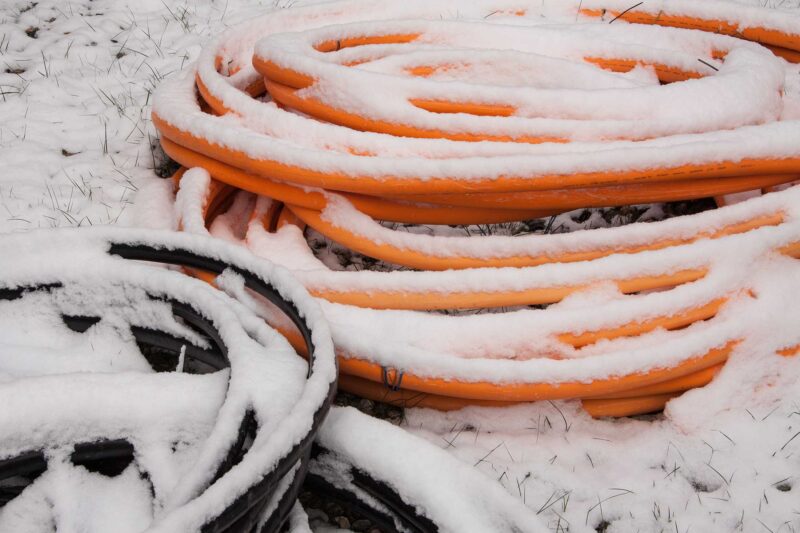
“Baby it’s cold out there”…

Frosty Friday and it’s getting colder.

But what’s it like inside your work place?

Are you a “Chilly Billy (or Belinda!)” employer?

Temperatures have plunged…

Are you “hot” on providing warmth for your work force?

At this time of the year, it seems nobody can get it quite right.

The person in the corner is cold and distracted, whilst the colleague under the heating is puffing and panting.

As an employer do you have a duty to keep everyone at the right temperature?

Yes, you do!

The Workplace (Health, Safety and Welfare) Regulations require employers to provide a reasonable indoor temperature in the workplace.

This depends on the work activity and the environmental conditions.

The Construction (Design and Management) Regulations also require reasonable workplace temperatures for indoor areas of construction sites.

Under the Management of Health and Safety at Work Regulations, employers must:

  • assess the risks to workers
  • put controls in place to protect them

Temperature in the workplace is one of the risks you should assess whether the work is being done indoors or outdoors.

You should consult with your work force on the best ways to cope with high or low temperatures.

Is there a minimum temperature?

Yes

The Approved Code of Practice on the Workplace (Health, Safety and Welfare) Regulations suggests the minimum temperature for working indoors should normally be at least:

16°C or

13°C if much of the work involves rigorous physical effort

Just so you know…

There is no maximum temperature for workplaces.

However, all workers are entitled to an environment where risks to their health and safety are properly controlled. Heat is classed as a hazard and comes with legal obligations like any other hazard.

Assess your risks now…

Want to ensure you are making the right decisions on heating in the workplace?

Head to the Health and Safety Executive’s handy Workplace temperature checklist to check whether you need to assess the risks and get some advice on protecting your work force.